How to Choose Woven Bags for Construction and Cement Packaging
Cement and construction materials require packaging that can withstand heavy loads, rough handling, and harsh storage conditions. The wrong bag can lead to product loss, equipment downtime, and safety hazards. Choosing the right woven bags for cement packaging is essential for protecting your product and maintaining operational efficiency.
This guide covers everything you need to know about selecting woven bags for cement, dry mix, and other construction materials.
What Makes Cement Packaging Woven Bags Different?
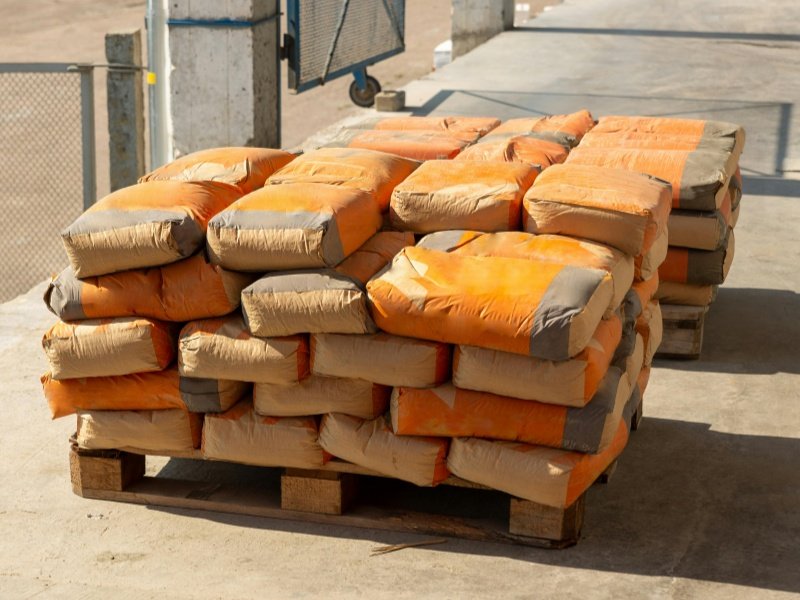
Cement and construction materials have unique packaging requirements. Unlike many other products, cement is heavy, abrasive, and sensitive to moisture. Packaging must withstand the rigors of filling, stacking, transport, and storage while protecting the product inside.
Key requirements for cement packaging include:
- High load capacity – Standard cement bags typically hold 25kg, 40kg, or 50kg. The bag must maintain integrity under heavy loads and high stacking.
- Moisture protection – Cement hardens when exposed to moisture. The bag must provide an effective moisture barrier to protect the product during storage and transport.
- Abrasion resistance – Cement is abrasive and can wear down standard bags during filling and handling. Bags must resist abrasion to prevent failure.
- Dust control – Cement dust is a health and safety hazard. Packaging should minimize dust during filling and transport.
- Valve bag compatibility – Many cement filling lines use valve bags for automated filling. Compatibility with filling equipment is essential.
Cement Packaging Woven Bags: Options for Construction
Valve Bags
Valve bags are the most common choice for cement packaging. They feature a pre-formed valve that allows for fast, automated filling on cement packing lines. Valve bags offer excellent dust control and filling efficiency.
Best for: Cement, dry mix, and other powdered materials that are packed on automated filling lines.
Open Mouth Bags
Open mouth bags are filled from the top and then sealed. They are more versatile than valve bags and can be used for a wider range of products. They are often used for smaller operations or for products that require manual filling.
Best for: Smaller production volumes, specialty mixes, and applications where flexibility is important.
PP Woven Sacks with Lamination
Laminated PP sacks provide enhanced moisture protection and print quality. The lamination layer acts as a barrier against moisture, making them ideal for cement and other moisture-sensitive materials.
Best for: Cement, dry mix, and construction materials that need moisture protection during storage.
Paper-Plastic Composite Bags
These bags combine the strength of woven PP with the printability and breathability of paper. They are often used for specialty cement products or where paper bags are preferred for environmental reasons.
Best for: Specialty cement products and markets where paper bags are preferred.
Key Specifications for Cement Packaging Woven Bags
1. GSM (Grams per Square Meter)
For cement packaging, the GSM depends on the load weight and handling conditions. For 25–40kg bags, 80–100 GSM is typically sufficient. For 50kg bags and heavy-duty applications, 100–130 GSM or higher is recommended to ensure strength and durability.
2. Lamination Type
Choose single-side PE lamination for moisture resistance and print durability; double-side PE lamination for maximum moisture protection; BOPP lamination for premium branding and superior print quality; or unlaminated for dry, indoor storage where moisture is not a concern.
3. Valve Bag Specifications
For valve bags, the valve type, size, and position are important for compatibility with filling equipment. Weavota can customize valve bags to match your specific filling line requirements.
4. Print Quality
Clear, durable printing is essential for cement bags. Product identification, batch numbers, and regulatory information must remain legible throughout the supply chain. Laminated bags provide the best print quality and durability.
5. UV Protection
If cement bags are stored outdoors, UV protection is essential to prevent bag degradation and product loss.
Common Mistakes to Avoid
- Choosing the wrong bag type – Using open mouth bags on automated filling lines designed for valve bags will cause downtime and efficiency losses
- Choosing GSM too low – Underestimating the load weight leads to bag failure during stacking and transport, causing product loss and safety hazards
- Ignoring moisture protection – Cement hardens when exposed to moisture, so lamination or moisture barrier is critical
- Overlooking filling line compatibility – Valve bag specifications must match your filling equipment. Always verify compatibility
- Not testing with actual conditions – Test bags with your product, filling equipment, and storage conditions before ordering in bulk
How Weavota Can Help with Cement Packaging Woven Bags
Weavota has extensive experience in cement and construction packaging. We offer:
- Valve bags and open mouth bags for cement and construction materials
- Lamination options for moisture protection and branding
- Custom sizes and GSM for your specific products
- Valve designs compatible with major filling equipment
- ISO 9001 certified quality
- Factory-direct pricing with no middlemen
Need Cement Packaging Woven Bags?
Contact us to discuss your cement packaging requirements and get a free sample.
Request a quote for cement packaging bags →
This guide is part of our Application Solutions series. For more industry-specific packaging advice, explore our other application guides.