Common Mistakes to Avoid When Choosing Woven Bags
Avoiding common woven bags mistakes starts with understanding the real factors behind bag performance. Many buyers focus only on price or appearance, overlooking critical factors that lead to bag failures, product damage, and wasted money. This guide covers the most common mistakes and how to avoid them.
Mistake 1: Choosing GSM Too Low – A Common Woven Bags Mistake
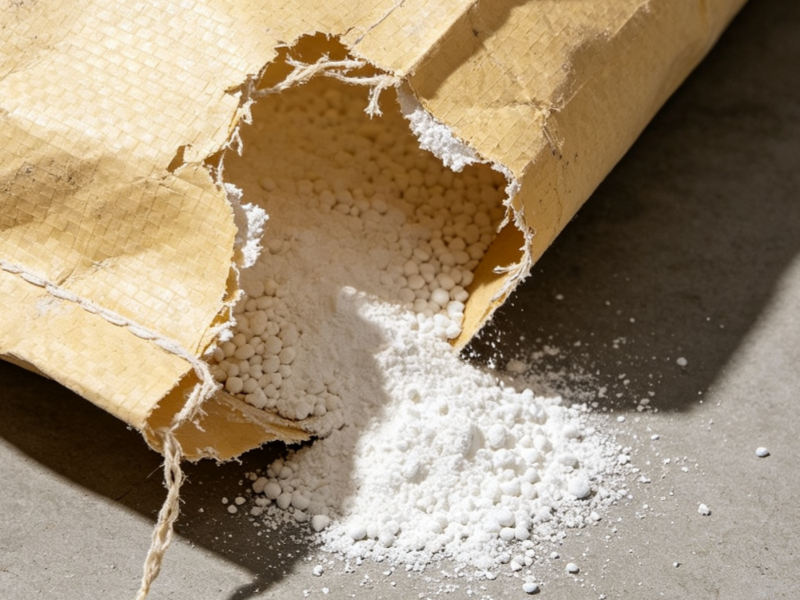
GSM (grams per square meter) determines the fabric’s strength. Choosing a GSM that is too low for your load weight is the most frequent and costly mistake. Bags tear during handling, stacking, or transport—leading to product loss and customer complaints.
This is one of the most common woven bags mistakes we see, and it is entirely avoidable with proper planning.
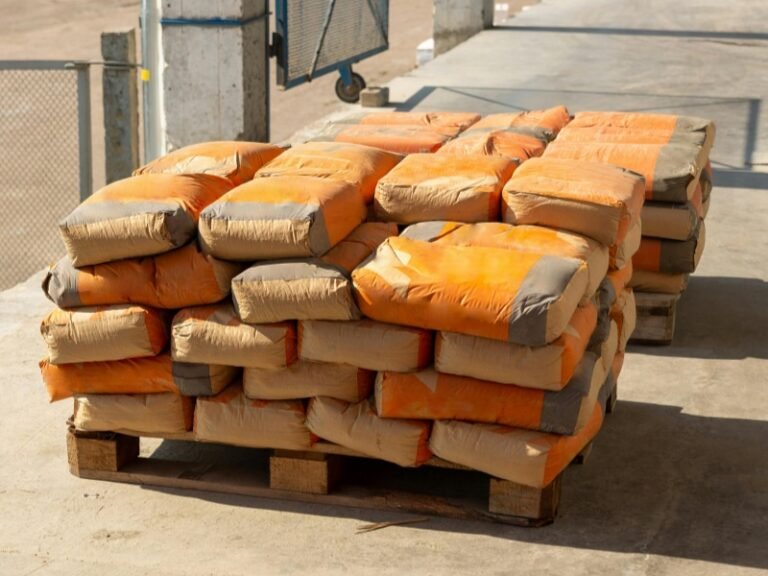
How to avoid it: Match GSM to your product weight. For light products like grains or seeds, 80–100 GSM is typically sufficient. For heavier items like cement or chemicals, choose 100–130 GSM or higher. Check our PP woven fabric specifications for guidance.
Mistake 2: Assuming All Woven Bags Have UV Protection
Standard PP woven bags are not UV-stabilized. If stored outdoors under direct sunlight, they degrade within weeks—becoming brittle, cracking, and eventually tearing. Many buyers assume UV protection is standard, but it is not.
How to avoid it: Specify UV protection when ordering. For outdoor storage of 3–6 months, 2% UV masterbatch is sufficient. For longer outdoor storage, choose 3%–5% UV protection.
Mistake 3: Ignoring Lamination – A Costly Woven Bags Mistake

Unlaminated woven bags are breathable, allowing air and moisture to pass through. For products like sugar, flour, or chemicals, this can cause clumping, spoilage, or quality degradation. Many buyers do not realize their product needs a moisture barrier.
How to avoid it: If your product is moisture-sensitive, choose single-side or double-side PE lamination. For premium packaging that requires high-quality printing and moisture protection, BOPP lamination is the best option.
Mistake 4: Overlooking Weave Density
Weave density—measured in threads per inch—affects tear resistance and surface smoothness. Low density fabrics (8×8) are weaker and more prone to tearing under heavy loads or rough handling.
How to avoid it: For heavy-duty applications, choose 10×10 or higher weave density. Higher density fabrics offer up to 40% better tear resistance.
Mistake 5: Not Checking Food-Grade Compliance
For products intended for human consumption—rice, flour, sugar, spices, coffee—the bags must be food-grade certified. Non-food-grade bags may contain harmful chemicals that can contaminate the product and cause regulatory issues.
How to avoid it: Always request food-grade certification. Weavota offers FDA-compliant and EU-certified food-grade bags for grain and food packaging.
Mistake 6: Focusing Only on Price – A Frequent Woven Bags Mistake
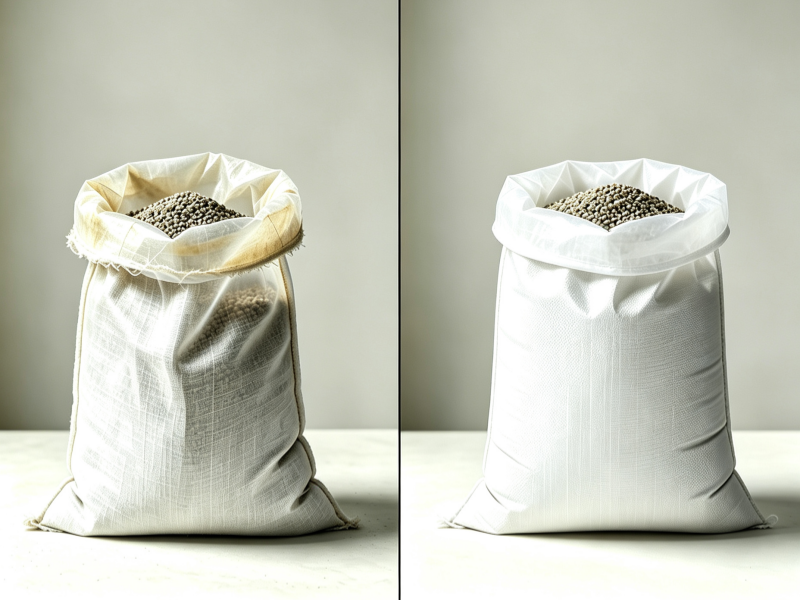
Choosing the cheapest option often leads to higher long-term costs—product loss, bag failures, customer complaints, and brand damage. Low-quality bags may save a few cents per unit but cost significantly more in the long run.
How to avoid it: Evaluate total cost of ownership, not just the unit price. Consider bag strength, durability, and suitability for your product and storage conditions.
Mistake 7: Not Requesting Samples Before Ordering
Many buyers place large orders without testing samples first. This can lead to unpleasant surprises—bags that are too thin, the wrong size, or unsuitable for their product.
How to avoid it: Always request samples before placing a bulk order. Test them with your actual product under real handling and storage conditions.
How Weavota Helps You Avoid These Mistakes
With 30+ years of industry experience and production on Starlinger precision weaving lines, Weavota helps customers make informed packaging decisions. We offer:
- Expert guidance – Our team helps you select the right GSM, UV protection, lamination, and weave density for your product
- Food-grade options – FDA-compliant and EU-certified bags available
- Custom samples – Test your product in real conditions before ordering
- ISO 9001 certified quality – Consistent quality across every batch
Need Help Choosing the Right Woven Bags?
Contact us for expert advice and free samples.
Get expert advice →
This guide is part of our Product Guides series. For more packaging insights, explore our other product guides.