
Understanding GSM: What It Means for Woven Bag Performance
This woven bag GSM guide explains everything you need to know about this key specification. If you have ever shopped for woven bags, you have probably come across the term GSM. It appears on spec sheets, quotes, and product descriptions – but what does it actually mean? And why does it matter for your packaging?
What Is GSM? – A Key Part of This Woven Bag GSM Guide
In this woven bag GSM guide, we will break down the most important specification you need to understand.
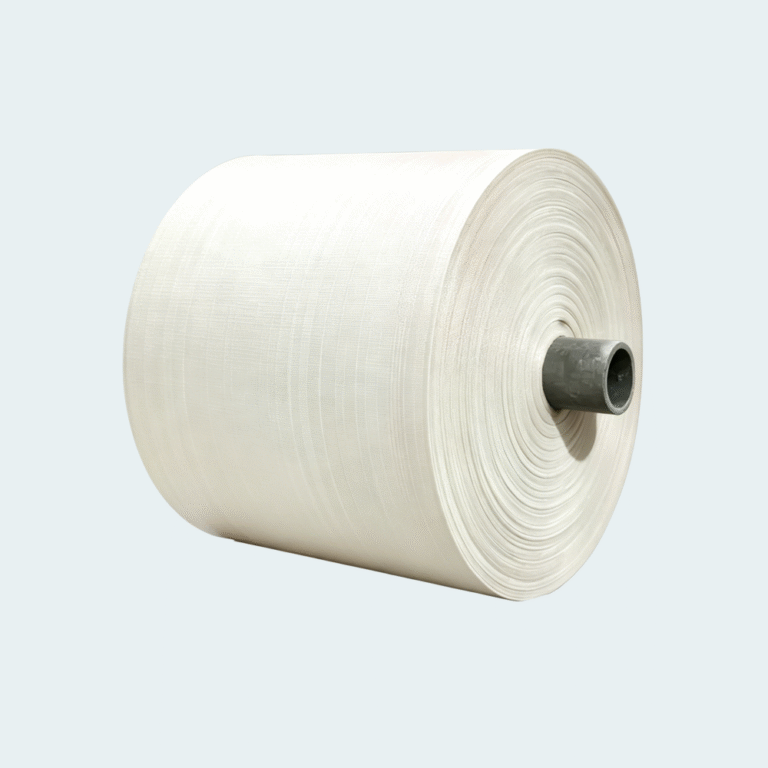
GSM stands for Grams per Square Meter. It is a measurement of fabric density and weight. In simple terms, GSM tells you how much a square meter of woven fabric weighs.
For woven bags, GSM is one of the most important specifications. It directly affects the bag’s strength, durability, feel, and cost.
- Higher GSM – Heavier, thicker, and stronger fabric. Better for heavy loads and rough handling.
- Lower GSM – Lighter, thinner, and more flexible fabric. Better for light loads and cost-sensitive applications.
Why GSM Matters – Core Focus of This Woven Bag GSM Guide
GSM is not just a number – it has real-world implications for your packaging performance. Here is why GSM matters:
1. Strength and Load Capacity
Higher GSM fabrics are stronger and can handle heavier loads. A bag with insufficient GSM for its contents will tear during filling, stacking, or transport.
2. Durability and Tear Resistance
Higher GSM fabrics are more resistant to tearing and abrasion. This is especially important for products with sharp edges or rough handling conditions.
3. Cost
Higher GSM means more material per bag, which increases the cost. Choosing the right GSM is a balance between strength and budget.
4. Print Quality
Higher GSM fabrics provide a smoother surface for printing. This is important for bags with detailed branding or product information.
5. Stacking Stability
Bags with adequate GSM maintain their shape and stability when stacked. Low GSM bags may deform or collapse under weight.
GSM Recommendations by Application – From This Woven Bag GSM Guide
Here is a quick guide to GSM recommendations for common applications:
- Light-duty bags (promotional bags, light shopping): 60–80 GSM
- Standard packaging (rice, grains, seeds, animal feed, 10–25kg): 80–100 GSM
- Heavy-duty packaging (fertilizer, cement, chemicals, 25–50kg): 100–130 GSM
- Extra heavy-duty packaging (minerals, ores, bulk materials, 50kg+): 130–150 GSM
How to Choose the Right GSM for Your Product
Choosing the right GSM is not always straightforward. Here is a step-by-step approach:
- Know your product weight – The weight you plan to put in each bag is the most important factor. Heavier products require higher GSM.
- Consider handling conditions – Will the bags be handled roughly, stacked high, or transported long distances? Higher GSM provides more durability.
- Consider storage conditions – Bags stored outdoors or in humid conditions may require higher GSM to maintain integrity over time.
- Factor in printing requirements – If your bag needs high-quality printing, ensure the GSM provides a smooth enough surface.
- Balance cost with performance – Choose the GSM that meets your performance needs without exceeding your budget.
Common GSM Mistakes to Avoid
- Choosing GSM too low for the product weight – The most common and costly mistake. Bags tear during handling, causing product loss and customer complaints.
- Choosing GSM too high unnecessarily – Over-specifying GSM adds cost without improving performance. Match GSM to your actual needs.
- Ignoring handling and storage conditions – A GSM that works in ideal conditions may fail in rough environments. Always consider real-world conditions.
- Not testing GSM with your actual product – Always test bags with your product and under real handling conditions before ordering in bulk.
How Weavota Can Help
This woven bag GSM guide is part of our commitment to helping customers make informed packaging decisions.
Weavota offers woven bags across a wide GSM range – from 60 GSM to 150 GSM. Our experts can help you select the right GSM for your product, application, and budget. We also provide samples for testing before you place your bulk order.
Need Help Choosing the Right GSM?
Contact us to discuss your product and packaging needs. We will recommend the ideal GSM for your application.
Get expert advice on GSM selection →
This guide is part of our Product Guides series. For more packaging insights, explore our other product guides.