
The Future of Woven Bags: Trends Shaping the Industry in 2026 and Beyond
The woven bags trends shaping 2026 and beyond are transforming the industry. Driven by sustainability, automation, and changing market demands, the way woven bags are manufactured, used, and recycled is evolving rapidly. For manufacturers and buyers alike, understanding these trends is essential for staying competitive.
This article explores the key trends shaping the future of woven bags and what they mean for the industry.
Trend 1: Sustainability and Recycled Materials
Sustainability is the most significant force reshaping the woven bag industry. Pressure from regulators, brands, and consumers is driving a shift toward more sustainable materials and production methods.
Key developments include:
- Recycled content – More manufacturers are using post-industrial and post-consumer recycled PP to produce woven bags. This reduces waste and lowers the carbon footprint of packaging.
- Design for recyclability – The industry is moving toward mono-material designs that can be easily recycled at end-of-life. Multi-material laminations are being replaced with recyclable alternatives.
- Bio-based materials – Research into plant-based polypropylene and other bio-polymers is advancing, offering the potential for reduced reliance on fossil fuels.
- Reduced material usage – Lightweighting and precision manufacturing are reducing material consumption without sacrificing performance.
Trend 2: Automation and Smart Manufacturing
Manufacturing efficiency is becoming a key differentiator in the woven bag industry. Automation and smart manufacturing technologies are transforming production processes.
Key developments include:
- Advanced weaving technology – Next-generation looms like Starlinger’s latest models offer higher speeds, better precision, and lower waste
- Quality control automation – Real-time monitoring and AI-powered defect detection ensure consistent quality and reduce waste
- Automated filling lines – Integration with automated filling and packaging lines is driving demand for more precise bag specifications
- Data-driven production – Manufacturers are using data analytics to optimize production and reduce downtime
Trend 3: Evolving Regulatory Landscape
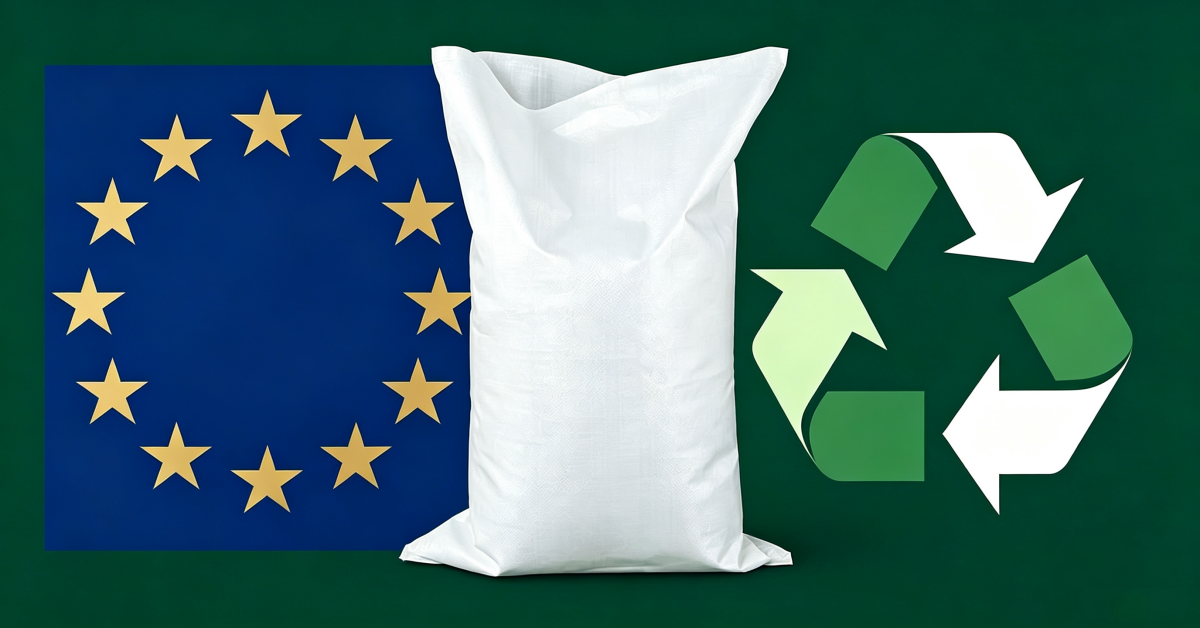
Regulations are becoming stricter worldwide, affecting every aspect of the woven bag industry. The EU Packaging and Packaging Waste Regulation (PPWR) is a leading example, but similar regulations are emerging globally.
Key regulatory trends include:
- Mandatory recycled content – Regulations are setting minimum recycled content requirements for packaging
- Recyclability requirements – Packaging that is not recyclable is being phased out in many markets
- Extended Producer Responsibility (EPR) – Producers are being held financially responsible for end-of-life management of their packaging
- Plastic taxes – Taxes on non-recycled plastic content are being introduced in multiple countries
Trend 4: E-Commerce and Changing Demand Patterns
The growth of e-commerce is changing how woven bags are used and what customers expect from packaging. While e-commerce is not the primary market for industrial woven bags, it is influencing packaging trends in retail and specialty markets.
Key developments include:
- Direct-to-consumer packaging – Woven bags are increasingly used in consumer-facing applications, driving demand for higher print quality and aesthetic appeal
- Flexible packaging formats – Smaller, convenient bag sizes are gaining popularity in retail and specialty markets
- Supply chain resilience – Demand for reliable, consistent packaging is increasing as supply chains become more complex
What These Trends Mean for Buyers of Woven Bags
For businesses sourcing woven bags, these trends present both challenges and opportunities. Here is what to consider:
- Plan for regulatory changes – Monitor regulations in your target markets and work with suppliers who are prepared for compliance
- Ask about sustainability – Inquire about recycled content, recyclability, and sustainability certifications from your suppliers
- Invest in quality – As regulations and standards tighten, quality becomes increasingly important. Work with suppliers who invest in manufacturing excellence
- Build strong supplier relationships – The industry is evolving rapidly. Long-term partnerships with suppliers who are investing in the future will be increasingly valuable
How Weavota Is Preparing for the Future
At Weavota, we are actively investing in the future of woven bag manufacturing. Our commitments include:
- Sustainable materials – Offering recycled PP content options for customers who need them
- Advanced manufacturing – Operating Starlinger weaving lines for precision, efficiency, and quality
- Regulatory compliance – Monitoring global regulations and ensuring our products meet evolving standards
- Continuous improvement – Regularly reviewing our processes and investing in new technologies
Interested in the Future of Woven Bags?
Contact us to discuss how Weavota can help you navigate the changing packaging landscape.
Contact Weavota for future-ready packaging solutions →
This article is part of our Industry Insights series. For more analysis and trends, explore our other industry insights.