Sustainable Packaging Trends in the Woven Bag Industry
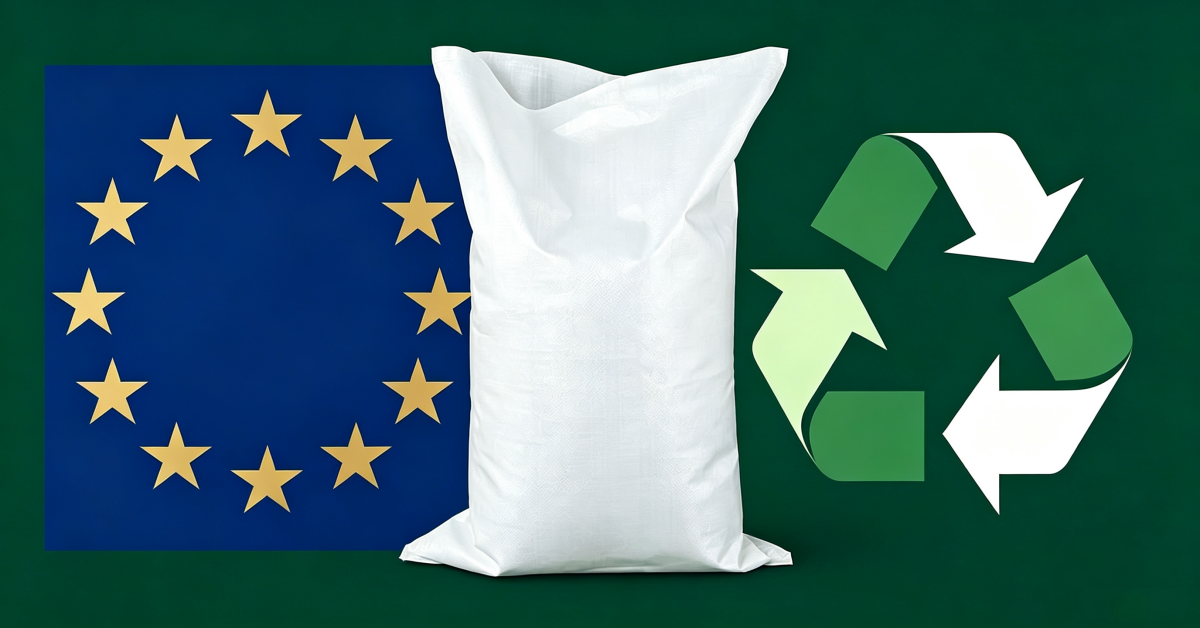
Sustainability is transforming the packaging industry. Woven bags, widely used across agriculture, food, and industrial sectors, are evolving to meet new environmental standards and consumer expectations. The shift toward sustainable woven packaging is no longer a trend—it is becoming an industry requirement.
This article explores key sustainable packaging trends in the woven bag industry, including recycled materials, eco-friendly innovations, and regulatory changes that are shaping the future of woven packaging.
Why Sustainability Matters for Woven Bags
Woven polypropylene (PP) bags have traditionally been valued for their strength, durability, and cost-effectiveness. However, the environmental impact of plastic packaging has drawn increasing scrutiny. Manufacturers, brands, and regulators are now pushing for more sustainable woven packaging solutions that maintain performance while reducing environmental footprint.
At Weavota, we recognize this shift. Our commitment to sustainability includes offering recycled content options and producing woven bags on energy-efficient Starlinger lines that minimize waste during production.
Trend 1: Recycled PP Materials
One of the most significant developments in sustainable woven packaging is the increased use of recycled polypropylene (rPP). Manufacturers are now incorporating post-industrial and post-consumer recycled content into woven bags without compromising strength or durability.
Key developments include:
- Recycled content options – Many woven bag manufacturers, including Weavota, now offer bags with recycled PP content upon request
- Closed-loop systems – Some producers are developing take-back programs to recycle used woven bags into new products
- Quality improvements – Advances in recycling technology are improving the consistency and performance of rPP materials
Trend 2: Design for Recyclability
Beyond using recycled materials, the industry is focusing on designing woven bags that are easier to recycle at end-of-life. This includes:
- Mono-material construction – Reducing the use of mixed materials that complicate recycling
- Printing with recyclable inks – Using inks that do not contaminate the recycling stream
- Clear labeling – Adding recycling instructions and material identification to help consumers and waste facilities sort bags properly
Trend 3: Biodegradable and Compostable Alternatives
While traditional PP woven bags are durable and long-lasting, there is growing interest in biodegradable alternatives. Current developments include:
- Bio-based polymers – Some manufacturers are exploring plant-based polypropylene made from renewable sources
- Biodegradable additives – Certain formulations allow PP to break down more quickly under specific conditions
- Compostable woven fabrics – Experimental materials are being developed for single-use agricultural applications
Trend 4: Regulatory Changes Driving Sustainability
Governments worldwide are implementing stricter regulations on plastic packaging. These regulations are accelerating the shift toward sustainable woven packaging:
- EU Packaging and Packaging Waste Regulation (PPWR) – New requirements for recycled content and recyclability of packaging
- Extended Producer Responsibility (EPR) – Manufacturers are increasingly responsible for the end-of-life management of their packaging
- Plastic taxes and bans – Several countries have introduced taxes on non-recycled plastic content
Trend 5: Reduced Material Usage
Another approach to sustainable woven packaging is reducing material usage without sacrificing performance. This can be achieved through:
- Optimized GSM selection – Using the right GSM for the application to avoid over-specification
- Lightweighting – Developing lighter fabrics that maintain strength and durability
- Efficient design – Reducing waste through precise sizing and cutting
How Weavota Supports Sustainable Woven Packaging
Weavota is actively supporting the shift toward sustainable woven packaging through several initiatives:
- Recycled content options – We offer woven bags with recycled PP content upon customer request
- ISO 9001 certified production – Our quality management ensures minimal waste in production
- Energy-efficient manufacturing – Our Starlinger lines are designed for energy efficiency and waste reduction
- Customization to reduce waste – By offering custom sizing, we help customers minimize packaging waste
What This Means for Buyers of Woven Bags
For businesses sourcing woven bags, these trends present both challenges and opportunities. To stay ahead:
- Ask about recycled content – Inquire whether your supplier offers recycled PP options
- Review your specifications – Ensure you are using the right GSM and size to avoid over-packaging
- Plan for regulatory changes – Monitor sustainability regulations in your target markets
- Partner with responsible suppliers – Choose manufacturers who are investing in sustainable practices
Ready to Learn More About Sustainable Woven Bags?
Contact us to discuss how Weavota can support your sustainable packaging goals.
Contact Weavota for sustainable packaging solutions →
This article is part of our Industry Insights series. For more packaging industry analysis, explore our other industry insights.