EU Packaging Regulations: What Woven Bag Manufacturers Need to Know
New EU woven bag regulations are transforming the packaging industry. The new Packaging and Packaging Waste Regulation (PPWR) will fundamentally change how woven bags are designed, produced, and sold in the EU market. For manufacturers and buyers alike, understanding these changes is not optional—it is a business necessity.
This guide explains what the EU packaging regulations mean for woven bag manufacturers, what buyers should look for, and how to stay ahead of compliance requirements.
Understanding EU Woven Bag Regulations: What Is PPWR?
The PPWR is a new EU regulation that replaces the old Packaging and Packaging Waste Directive. Unlike a directive, which requires national implementation, a regulation is directly applicable across all EU member states. This means the rules are uniform and enforceable everywhere.
The key objectives of the PPWR include:
- Reducing packaging waste
- Increasing recycled content in packaging
- Making all packaging recyclable by 2030
- Harmonizing rules across the EU single market
Key Requirements for Woven Bags Under PPWR
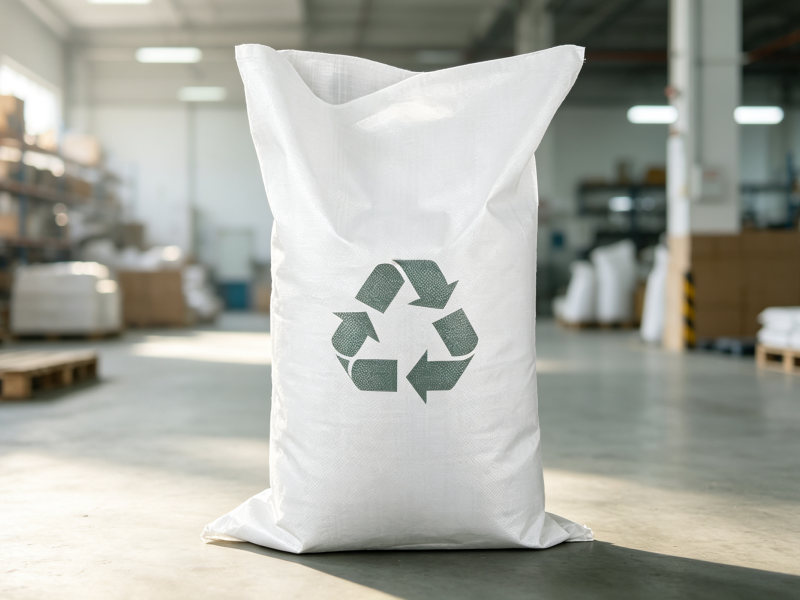
Several provisions of the PPWR directly affect woven bag manufacturers and users:
1. Recycled Content Requirements
From 2030, plastic packaging must contain a minimum percentage of recycled content. The targets start at 30% for contact-sensitive packaging and increase over time. This means woven bags used for food or agricultural products will need to incorporate recycled polypropylene (rPP) content.
2. Recyclability by 2030
All packaging placed on the EU market must be recyclable by 2030. This has significant implications for multi-material woven bags. Laminations, coatings, and printing inks will need to be designed for recyclability—or risk being phased out.
3. Extended Producer Responsibility (EPR)
Under EPR, producers are financially responsible for the end-of-life management of their packaging. This means woven bag manufacturers and importers will need to pay fees to fund collection, sorting, and recycling systems. These costs are expected to be passed through the supply chain.
4. Labeling Requirements
Packaging will need to carry clear labels indicating recyclability and recycled content. This affects how woven bags are printed and marketed, especially for retail and food applications.
How EU Woven Bag Regulations Affect Buyers
If you purchase woven bags for the EU market—or for customers who export to the EU—you need to act now. Here is what to consider:
- Ask about recycled content – Verify that your supplier can provide woven bags with certified recycled PP content
- Check recyclability claims – Ensure the bags you buy are designed to meet 2030 recyclability requirements
- Plan for compliance costs – Expect some price increases as suppliers invest in new materials and processes
- Review your supply chain – Work with suppliers who are actively preparing for these regulations
Staying ahead of EU woven bag regulations is essential for maintaining market access and customer trust.
How Weavota Is Preparing for the New Regulations
At Weavota, we are actively monitoring EU regulatory developments and investing in solutions to meet future compliance requirements. Our commitments include:
- Recycled PP options – We offer woven bags with recycled content upon customer request
- Design for recyclability – Our R&D team is evaluating material combinations to ensure recyclability without compromising performance
- ISO 9001 certified production – Our quality management systems ensure consistent compliance with evolving standards
- Transparent documentation – We provide full material and certification documentation to support your compliance needs
Timeline for Compliance
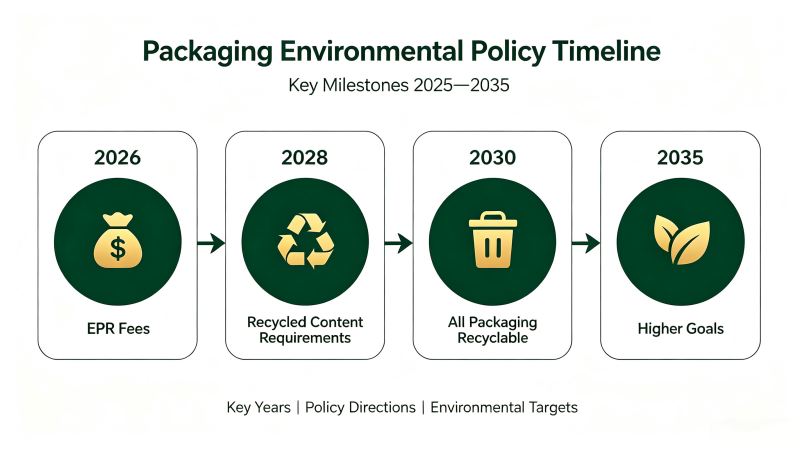
The PPWR was adopted in early 2025 and applies from 2026–2028 depending on the specific requirement. Key dates for woven bag buyers to note:
- 2026: EPR fees begin to apply
- 2028: First recycled content targets take effect
- 2030: All packaging must be recyclable
- 2035: Higher recycled content targets apply
These deadlines may seem distant, but compliance requires planning and supply chain adjustments now.
Questions to Ask Your Woven Bag Supplier
As EU woven bag regulations take effect, buyers need to verify their supply chain is ready for the new requirements.
To ensure you are prepared for the new EU regulations, ask your supplier these questions:
- Can you provide woven bags with certified recycled PP content?
- What percentage of recycled material can you currently offer?
- Are your bags designed to be recyclable under current waste management systems?
- Do you provide documentation on material composition and recycled content?
- What steps are you taking to prepare for the 2030 recyclability deadline?
Stay Compliant with EU Packaging Regulations
Contact us to discuss how Weavota can help you prepare for the new EU packaging regulations with compliant woven bag solutions.
Contact us for compliance-ready packaging →
This article is part of our Industry Insights series. For more regulatory updates and industry analysis, explore our other industry insights.