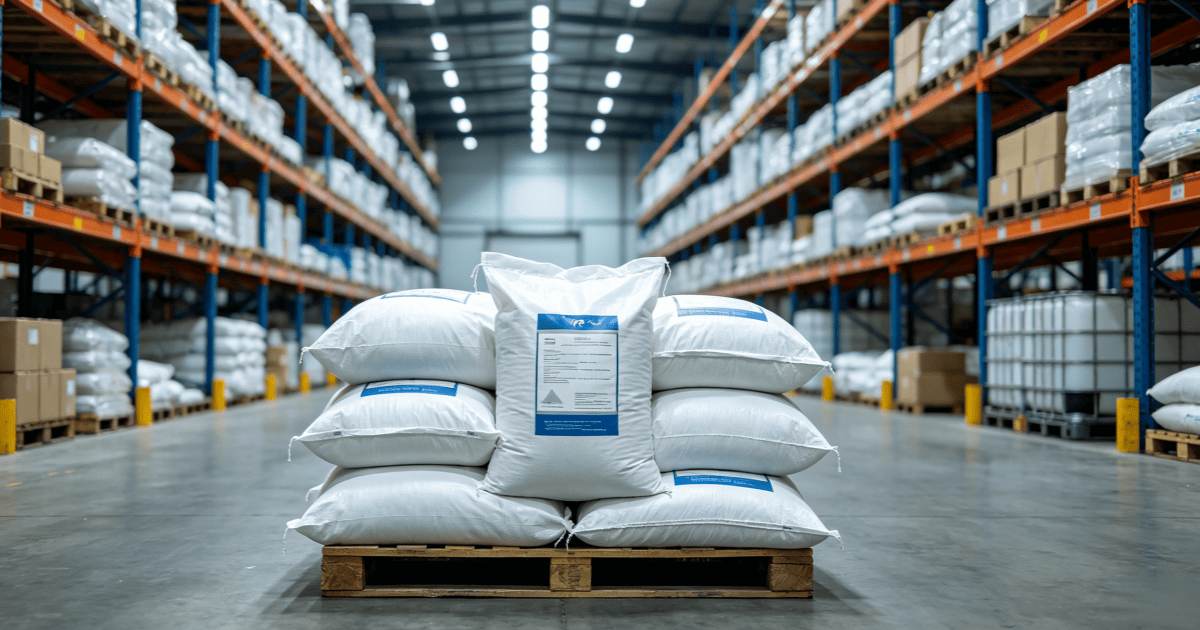

How to Choose Woven Bags for Grain Storage
Storing grain properly is essential to prevent spoilage, pest infestation, and moisture damage. The packaging you choose plays a critical role in protecting your harvest. Woven bags for grain are a popular choice, but not all bags are created equal.
This guide covers everything you need to know about selecting the right woven bags for grain storage—from material options to key specifications and common mistakes to avoid.
Why Woven Bags for Grain Storage?
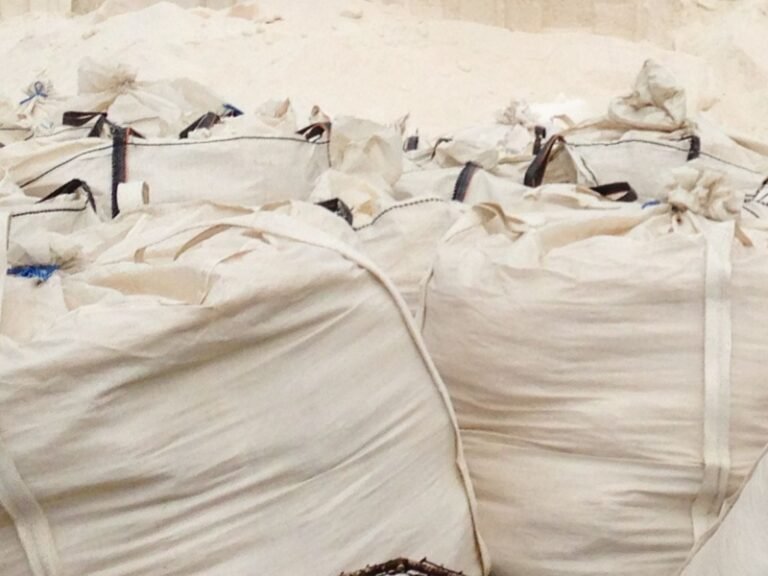
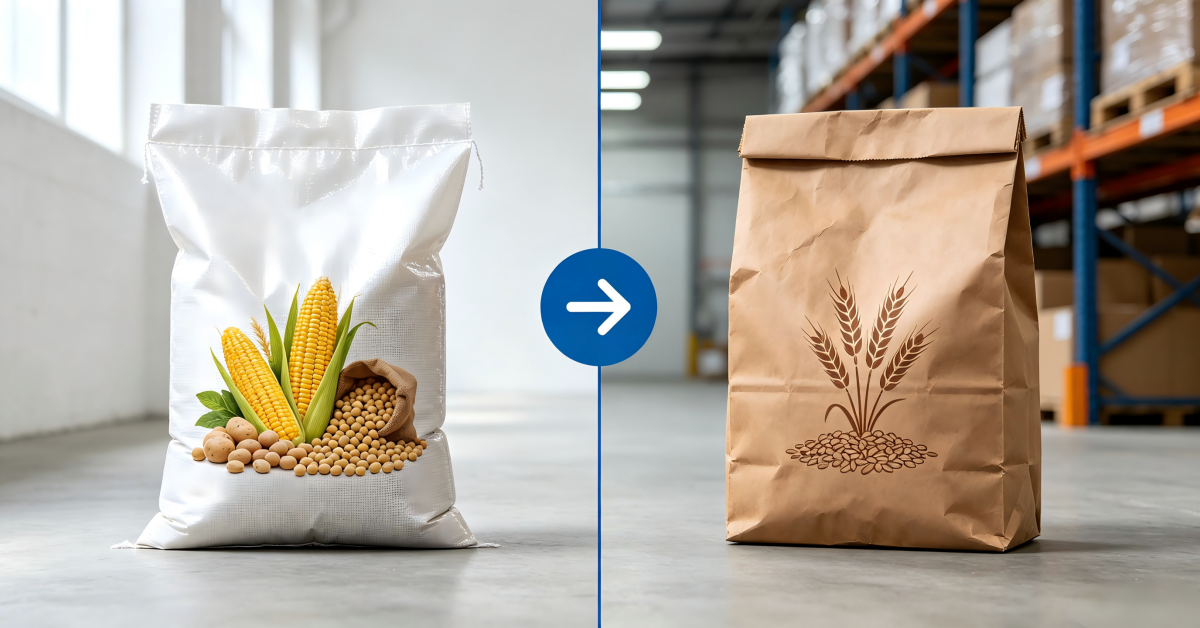
Woven polypropylene (PP) bags are the most widely used packaging for grain storage. They offer several advantages over traditional jute or paper bags:
- High strength – withstand stacking and handling without tearing
- Breathability – allows air circulation to prevent mold growth
- Cost-effective – affordable for bulk agricultural use
- Customizable – available in various sizes, GSM, and printing options
At Weavota, our woven bags for grain are produced on world-class Starlinger weaving lines, ensuring consistent quality for agricultural applications.
Key Grain Types and Their Packaging Needs
Different grains have different storage requirements. Here is a quick overview:
| Grain Type | Key Packaging Requirement | Recommended Bag Type |
|---|---|---|
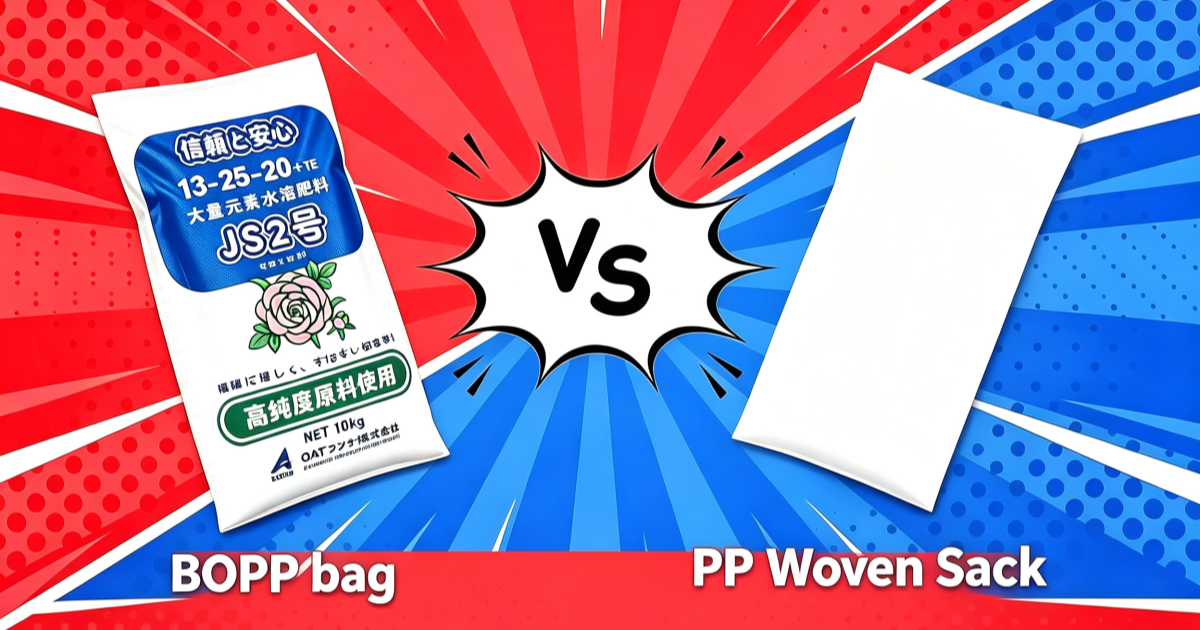
| Rice | Moisture protection, pest resistance | PP woven sacks or BOPP bags |
| Wheat | Breathability, strength for stacking | PP woven sacks |
| Corn | High load capacity, UV protection | PP woven sacks |
| Beans | Cleanliness, food-grade liner | Paper-plastic composite bags |
| Coffee beans | Premium branding, moisture barrier | BOPP laminated bags |
Key Specifications for Grain Storage Bags
1. GSM (Grams per Square Meter)
GSM determines the bag’s strength and durability. For grain storage, the recommended GSM depends on the bag size and load weight:
- Lightweight grains (rice, wheat): 80–100 GSM
- Heavier grains (corn, beans): 100–120 GSM
- Bulk storage (50kg+): 120–150 GSM
2. Food-Grade Certification
For grains intended for human consumption, the bags must be food-grade certified. This ensures the material does not contaminate the grain with harmful chemicals. Weavota offers FDA-compliant and EU-certified food-grade bags for grain storage.
3. UV Protection
If you store grain outdoors or in direct sunlight, UV treatment is essential. Untreated PP bags will degrade under prolonged sun exposure, leading to bag failure and grain loss.
4. Lamination Options
Unlaminated bags are breathable and cost-effective. They are ideal for well-ventilated indoor storage.
BOPP laminated bags offer a smooth, high-quality printing surface and enhanced moisture protection. They are recommended for premium grain products sold at retail.
Common Mistakes to Avoid
- Choosing the wrong GSM – Underestimating the load weight leads to bag rupture during handling or stacking.
- Ignoring food-grade requirements – For edible grains, non-food-grade bags can cause contamination and regulatory issues.
- Overlooking pest protection – Woven bags without pest-resistant coatings may be vulnerable to weevils and rodents.
- Storing in direct sunlight without UV treatment – UV degradation can cause bag failure in outdoor storage.
Why Choose Weavota for Grain Storage Bags?
With 30+ years of industry experience, Weavota specializes in agricultural packaging solutions. Our grain storage bags are:
- Produced on Starlinger weaving lines for consistent quality
- Available in custom sizes and GSM to match your load requirements
- Offered with food-grade certification (FDA, EU compliant)
- Customizable with UV protection, lamination, and printing
- Tested for strength, tear resistance, and moisture protection
Need Grain Storage Bags?
Tell us your grain type, bag size, and quantity. We’ll recommend the optimal woven bags for your grain storage needs.
Request a quote for grain storage bags →
This guide is part of our Application Solutions series. For more industry-specific packaging advice, explore our other application guides.