BOPP Bags vs. Paper Bags: Which Is Better for Your Product?
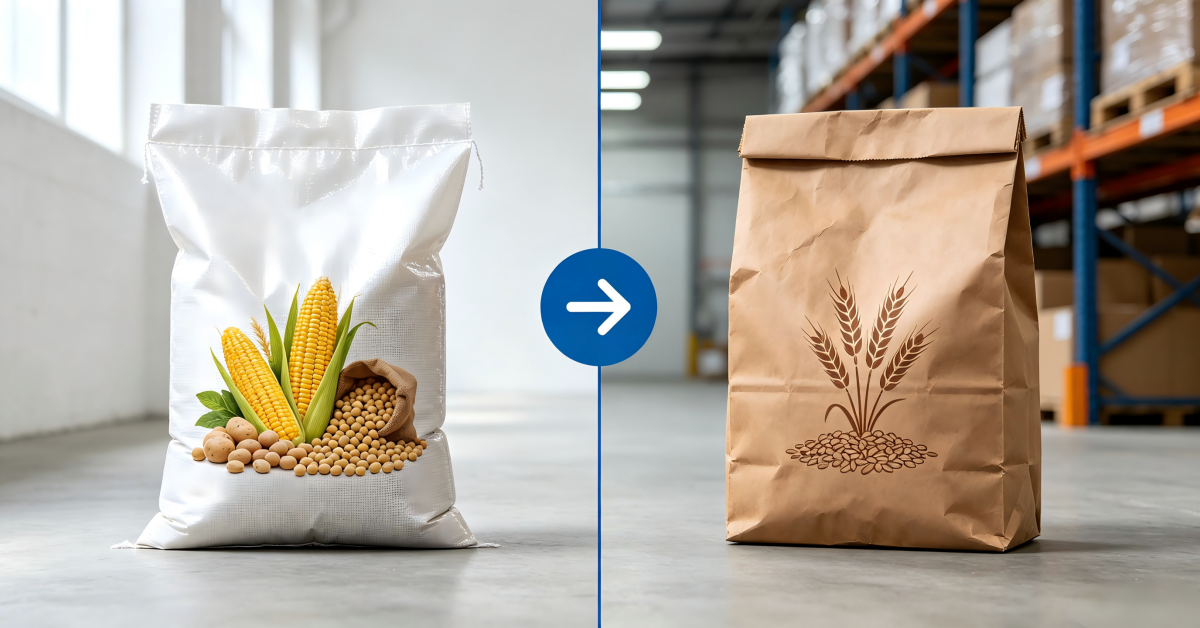
Choosing between BOPP vs paper bags for your packaging needs is not always easy. Both materials have their strengths and weaknesses, and the best choice depends entirely on your product, budget, and brand positioning.
This guide compares BOPP bags and paper bags across six key factors: strength, moisture resistance, cost, print quality, sustainability, and typical applications. By the end, you will have a clear understanding of which option fits your needs.
What Are BOPP Bags? – A Key Player in BOPP vs Paper Bags
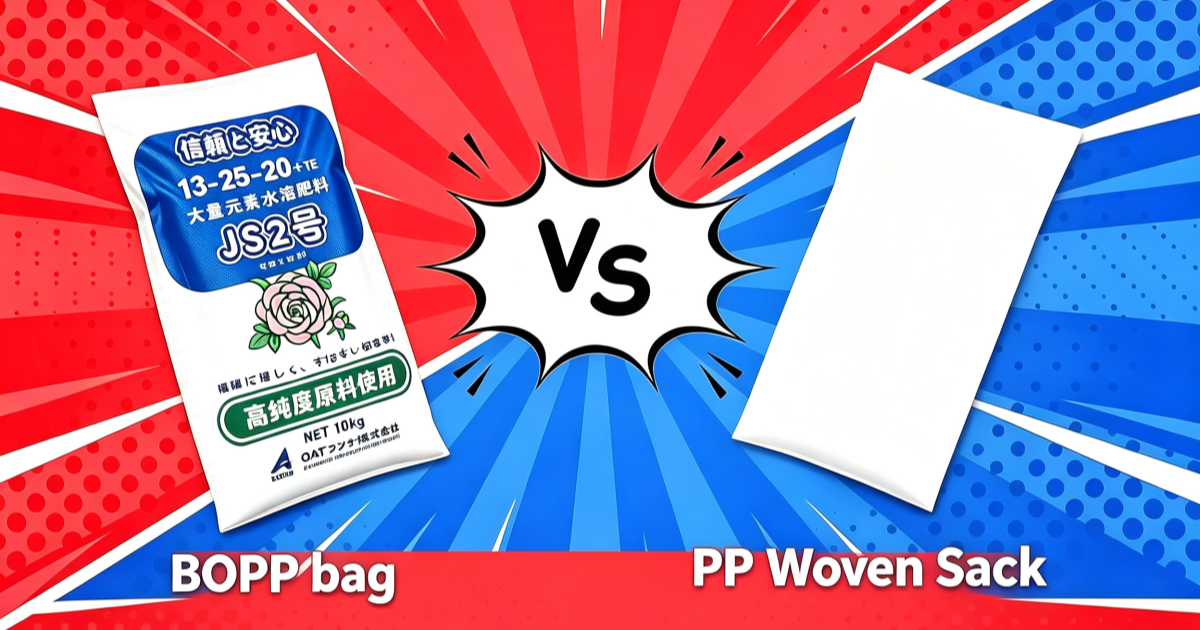
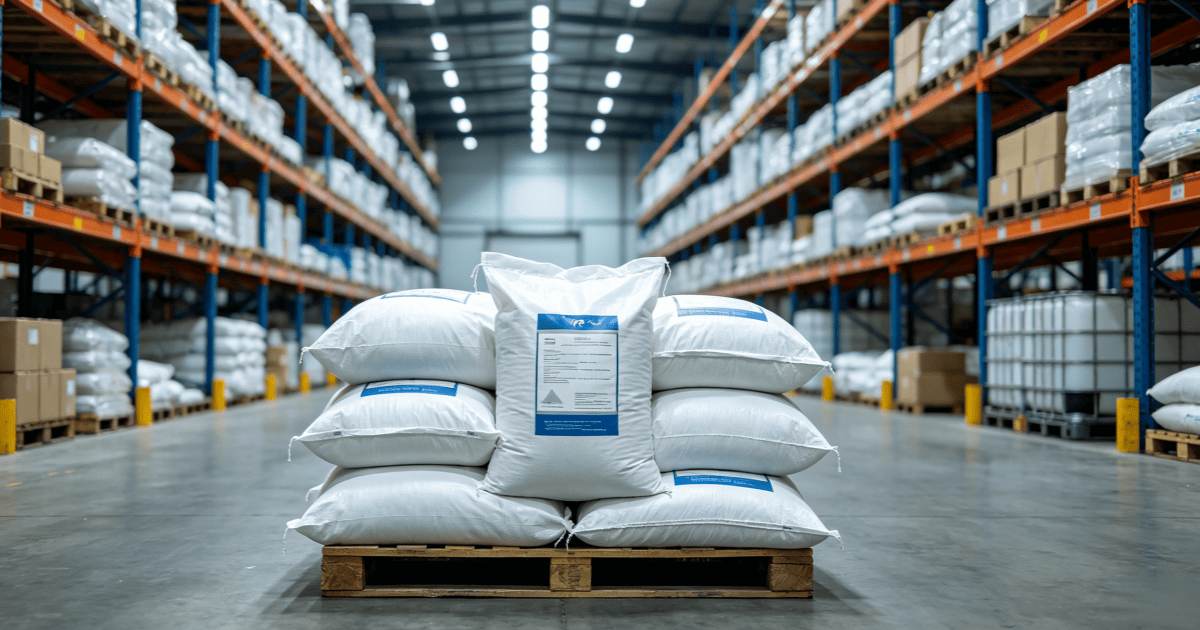
BOPP bags are woven polypropylene sacks laminated with a BOPP (Biaxially Oriented Polypropylene) film. This lamination creates a smooth, glossy surface that is ideal for high-quality printing and branding. The woven PP base provides excellent strength and tear resistance, while the BOPP layer adds moisture protection and visual appeal.
Weavota’s BOPP bags feature 8-color gravure printing and waterproof lamination, making them a popular choice for retail and food packaging.
What Are Paper Bags? – The Alternative in BOPP vs Paper Bags
Paper bags are made from kraft paper or other paper materials. They are widely used for packaging flour, sugar, cement, and various other products. Paper bags are breathable, biodegradable, and recyclable, making them attractive for environmentally conscious brands.
However, paper bags offer less strength and moisture resistance compared to BOPP bags.
Head-to-Head: BOPP vs Paper Bags Comparison
This BOPP vs paper bags comparison covers everything you need to know to make the right choice.
1. Strength and Durability
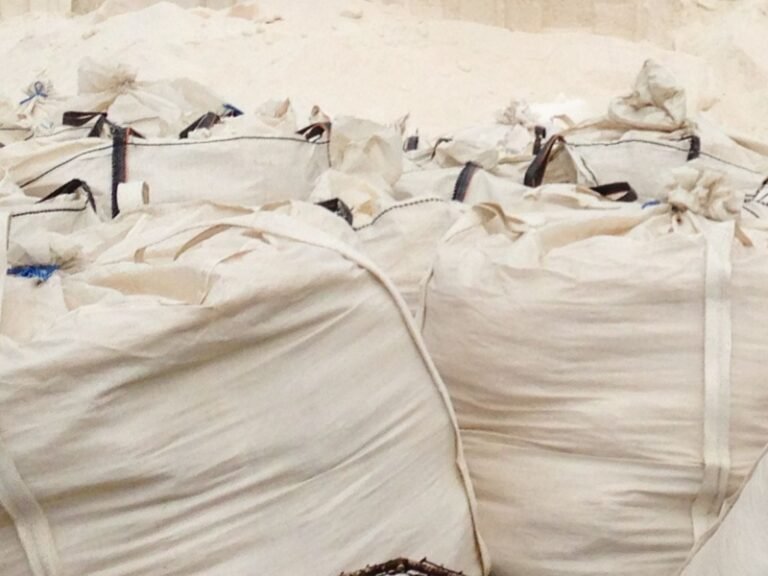
BOPP bags are significantly stronger than paper bags. The woven PP base provides excellent tear resistance and load-bearing capacity, making them suitable for products weighing 25kg to 50kg or more.
Paper bags are weaker and more prone to tearing, especially when wet or under heavy loads. They are generally limited to lighter products.
2. Moisture Resistance
BOPP bags are highly moisture-resistant due to the BOPP lamination layer. They protect contents from humidity, rain, and moisture during transport and storage.
Paper bags offer little moisture protection. They absorb moisture, which can weaken the bag and damage the contents.
3. Print Quality
BOPP bags offer excellent print quality with sharp, vibrant, and photo-quality images. Print is protected under the lamination layer, preventing fading and abrasion. This makes BOPP bags ideal for premium branding and retail displays.
Paper bags offer acceptable print quality but lack the premium look and feel of BOPP laminated surfaces.
4. Cost
BOPP bags are more expensive due to the additional lamination and printing processes. However, the superior strength, moisture resistance, and brand presentation often justify the higher cost.
Paper bags are generally less expensive, making them a cost-effective option for products that do not require premium packaging.
5. Sustainability
BOPP bags are made from plastic materials, but they can include recycled content and are recyclable. The industry is moving toward more sustainable BOPP bag designs, including mono-material structures for easier recycling.
Paper bags are biodegradable and made from renewable resources, giving them a clear advantage in sustainability perception. However, paper production has its own environmental footprint.
6. Typical Applications
BOPP bags are commonly used for rice, flour, sugar, coffee, spices, nuts, pet food, and premium retail products where branding and protection are important.
Paper bags are commonly used for flour, cement, dry mix, sugar, and products where breathability is important.
Quick Decision Guide: BOPP vs Paper Bags – Which to Choose?
- If you need high strength and heavy load capacity (25kg+): Choose BOPP bags
- If you need moisture protection: Choose BOPP bags
- If you need premium, high-quality printing and branding: Choose BOPP bags
- If sustainability is your top priority: Consider paper bags, but evaluate the trade-offs
- If you need breathable packaging: Consider paper bags
- If cost is your primary concern: Consider paper bags, but evaluate total cost of ownership
Common Mistakes to Avoid
- Choosing paper bags for moisture-sensitive products – Paper absorbs moisture, leading to product damage and bag failure
- Choosing BOPP bags for products that need breathability – BOPP lamination is waterproof, which is unsuitable for products that require airflow
- Overlooking brand positioning – If your product competes on premium quality, BOPP bags offer superior presentation
- Focusing only on upfront cost – Paper bags may cost less initially but lead to product loss and customer complaints if they fail
How Weavota Can Help
Whether you are deciding between BOPP vs paper bags, our team can guide you to the best solution.
Weavota offers both BOPP bags and other packaging solutions. We can help you evaluate your product requirements and recommend the best option.
We offer:
- BOPP bags with 8-color gravure printing and waterproof lamination
- Custom sizes and GSM to match your product weight and branding
- Samples for testing before ordering in bulk
- ISO 9001 certified quality
- Factory-direct pricing with no middlemen
Need Help Choosing Between BOPP and Paper Bags?
Contact us to discuss your product and packaging needs. We will recommend the best option for your application.
Get expert advice on packaging selection →
This guide is part of our Product Guides series. For more packaging insights, explore our other product guides.