The Versatility of Plastic Woven Fabrics: Manufacturing and Applications
Plastic woven fabrics, primarily made from polypropylene (PP) or high-density polyethylene (HDPE), have become indispensable in modern industry and daily life. The manufacturing process begins with extruding plastic resin into thin flat tapes or filaments. These tapes are then stretched to enhance tensile strength, textured to improve surface friction, and wound onto bobbins. A circular or flat loom interlaces the warp and weft tapes, creating a durable, lightweight fabric that is both flexible and resistant to tearing.
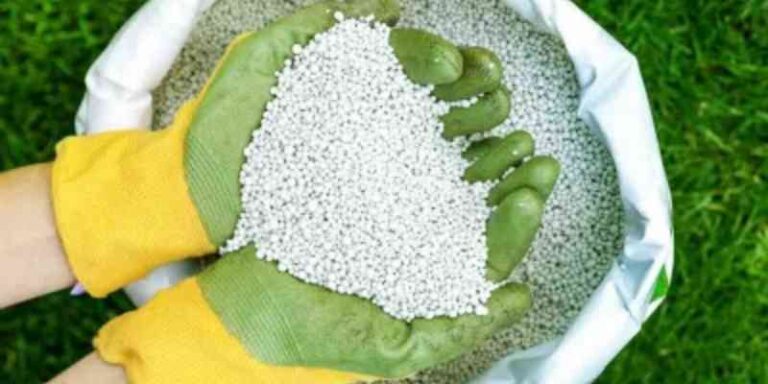
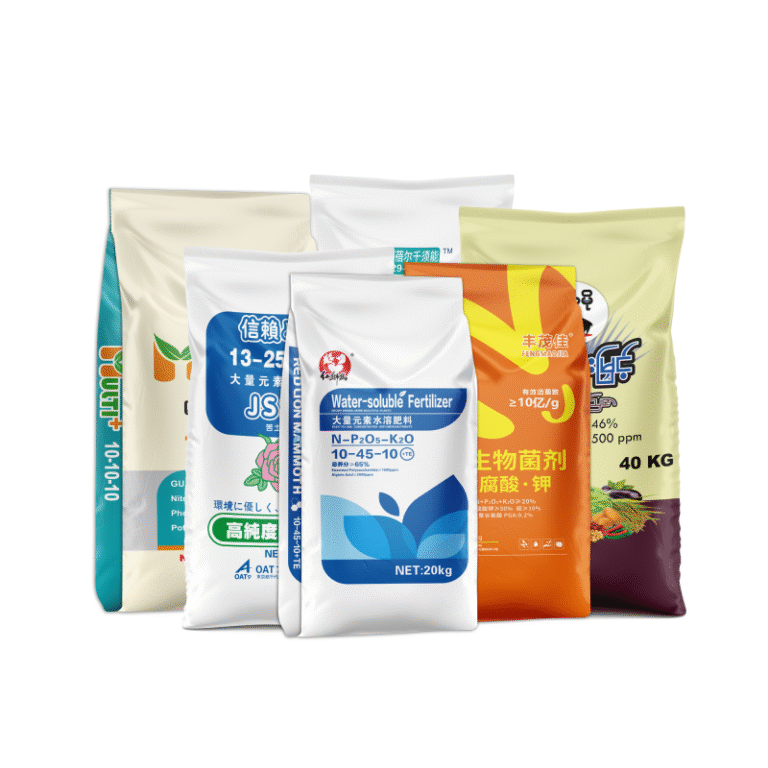
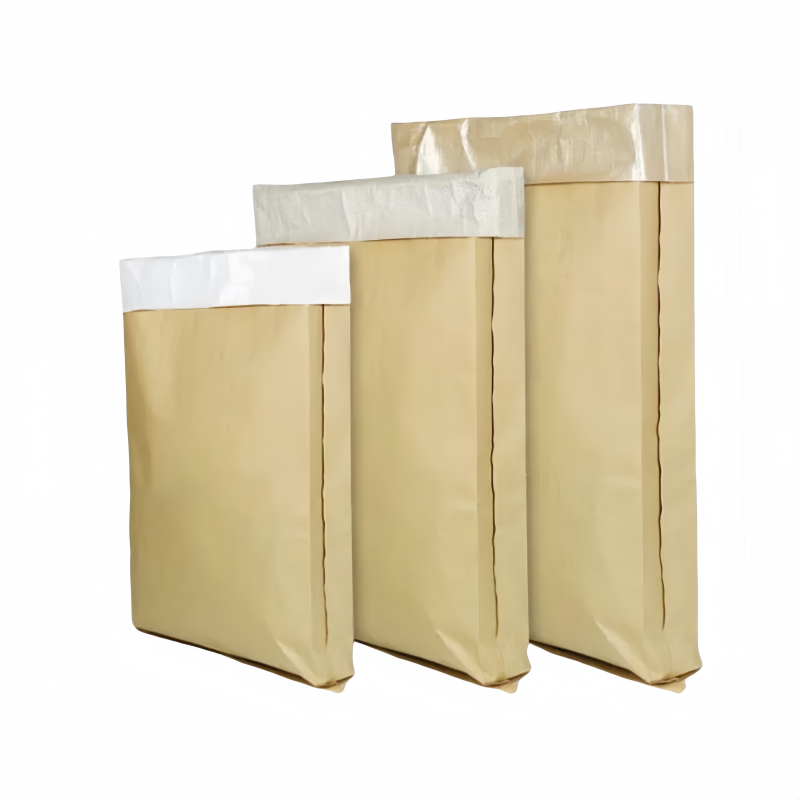
The resulting material’s unique combination of strength, low cost, and resistance to moisture and chemicals makes it ideal for a wide range of applications. The most familiar use is in woven plastic bags – from cement and fertilizer sacks to sandbags and food-grade containers like rice or flour bags. Beyond packaging, plastic woven fabrics are used for geotextiles in road construction and erosion control, tarpaulins for trucks and construction sites, temporary event flooring, agricultural shade nets, and even reusable shopping bags, which have surged in popularity as a more durable alternative to lightweight single-use plastic bags.
Advances in lamination and printing have further expanded their utility. Coating the fabric with a thin layer of polypropylene or polyethylene makes it waterproof and allows high-quality surface printing, turning industrial sacks into effective branding tools. With ongoing improvements in UV stabilization and anti-slip treatments, plastic woven fabrics continue to evolve, maintaining their position as a cost-effective, reliable material for businesses and consumers worldwide.