Paper-Plastic Composite Bags: Where They Fit in Modern Packaging
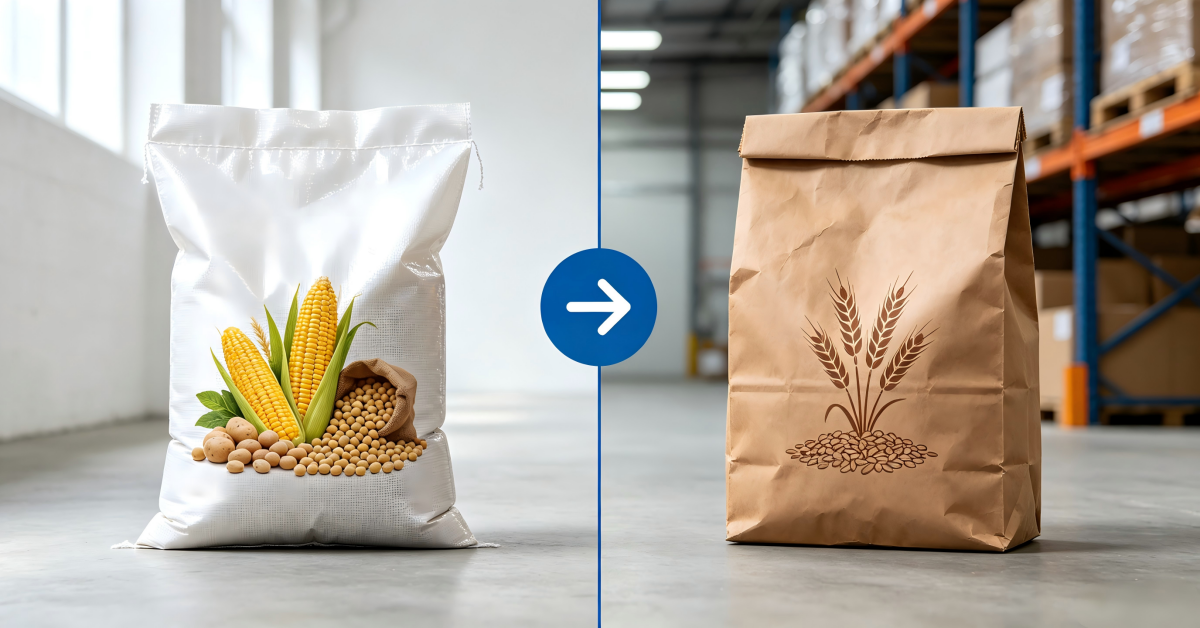
Paper-plastic composite bags combine a printed paper surface with a load-bearing plastic layer. That pairing solves a trade-off most packaging buyers meet early. Pure paper looks premium, but it tears under load. Pure plastic is strong, but it looks cheap on a retail shelf. A composite structure lets each material do the job it is good at.
This guide covers where these bags win, where they fail, and what to check before you order.
What a paper-plastic composite bag actually is
A paper-plastic composite bag is built from two or more layers bonded into one sheet. The outer layer is coated paper. The inner layer is a plastic film, usually PP woven fabric or a PE film.
The outer paper layer
The paper layer carries the print. It takes ink well and gives the bag a matte, premium finish. It also accepts coatings for water resistance.
The inner plastic layer
The plastic layer carries the load. PP woven fabric gives tensile strength. A PE liner adds a moisture barrier when the product is sensitive.
The bond between them
Bonding is the weak point in cheap constructions. A poor bond delaminates in humid weather. Ask your supplier how the layers are joined.
Where paper-plastic composite bags earn their cost
Retail shelves and brand presentation
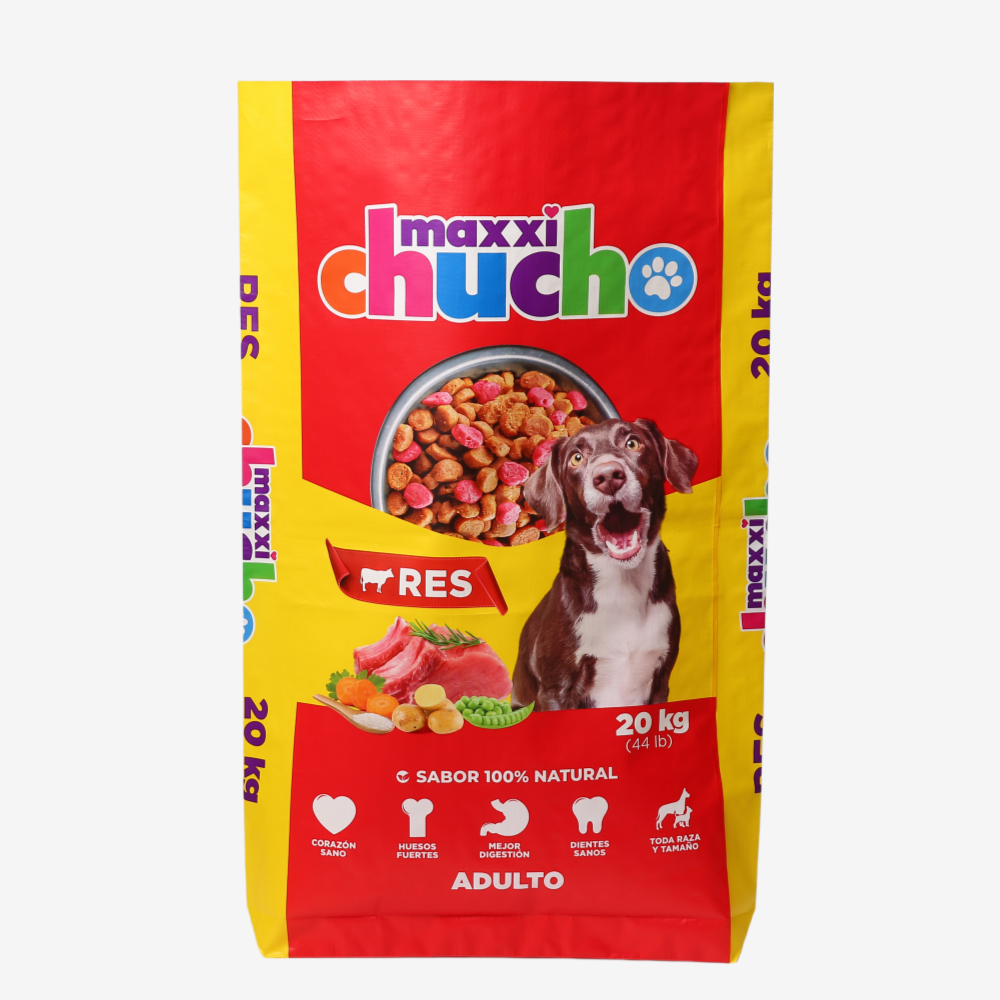
On a shelf, the bag is the package and the advertisement at once. Printed paper reads as quality. That matters for coffee, rice, pet food, and garden products. PP woven fabric underneath keeps the bag from splitting when a customer lifts it.
Handling strength without a carton
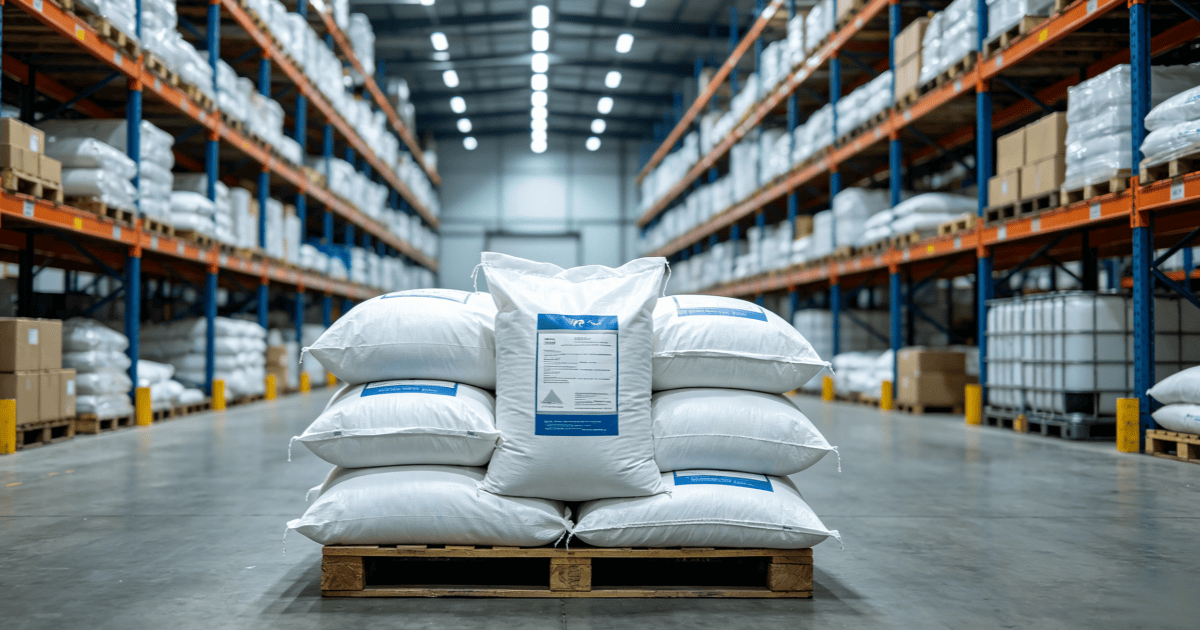
Composite bags stack and ship without a secondary carton. The paper surface resists scuffing in transit. The inner layer absorbs the load at the seams.
Moisture protection paper alone cannot give
Paper absorbs water and loses strength fast. A composite bag with a PE liner keeps the contents dry through a humid warehouse. For grain and flour, see our food and grain packaging page.
Where paper-plastic composite bags are the wrong choice
They are not a universal answer. Three cases where you should look elsewhere:
- Heavy industrial loads. Above roughly 25 kg, a plain PP woven sack is cheaper and stronger.
- Outdoor storage. Paper surfaces degrade under direct rain, even when coated.
- Tight unit cost. If the bag never faces a shopper, the printed paper layer is waste.
For BOPP-laminated options that sit between these categories, our BOPP bag page explains the difference.
How to specify paper-plastic composite bags
Four decisions drive the price and the performance. Get them right before you ask for a quote.
Paper grade and print method
Coated art paper and kraft paper behave differently under ink. Coated paper gives sharp photographic print. Kraft gives a natural look with less detail. Tell the supplier which one your artwork assumes.
Liner choice
No liner suits dry, non-food goods. A PE liner suits flour, rice, and powder. A foil layer suits coffee and products that need an oxygen barrier. Each step adds cost, so match the liner to the shelf life.
GSM and load rating
The paper grade sets the look, and the woven layer sets the strength. A 10 kg bag and a 25 kg bag need different fabric weights. Ask for the load rating, not just the total GSM.
Seam and closure
Bottom seams, side gussets, and top closures all fail in different ways. A sewn bottom is strong but visible. A folded and glued bottom looks cleaner but needs a good bond. Say how the bag will be filled and closed.
Paper-plastic composite bags compared with BOPP bags
Both start with woven fabric. The difference is the printed surface and the film. A BOPP bag wraps the woven sack in a printed polypropylene film. A paper-plastic composite bag laminates printed paper instead.
BOPP wins on gloss, sharpness, and water resistance. Paper-plastic composite bags win on texture and on the quiet, matte look that reads premium in specialty retail. BOPP is usually the safer choice for outdoor and export routes.
Price follows the film and the print process, not the name of the structure. Ask for both options on the same quantity so the comparison is fair.
Common mistakes when specifying them
Choosing the paper by thickness instead of by print
A heavier paper takes ink differently. Test print before you commit to a grade.
Ignoring the seam
Most field failures start at the seam, not the middle of the bag. Ask for a drop test on filled samples.
Mixing up composite and laminated
Paper-plastic composite bags are bonded structures. A laminated bag has film glued to woven fabric. The two behave differently under load and moisture.
Forgetting the inner liner
If the product is hygroscopic, specify the liner. Paper plus woven fabric alone is not a moisture barrier.
How Weavota can help
We produce paper-plastic composite bags, BOPP bags, and plain woven sacks on the same lines. Send us your product weight, storage conditions, and artwork. We will return a structure recommendation with a sample.
Need paper-plastic composite bags for your product?
Contact us with your specifications and target quantity.
Request a quote for paper-plastic composite bags →
This guide is part of our Application Solutions series, alongside our other packaging guides.