How to Choose the Right Woven Bags for Packaging Flour and Sugar
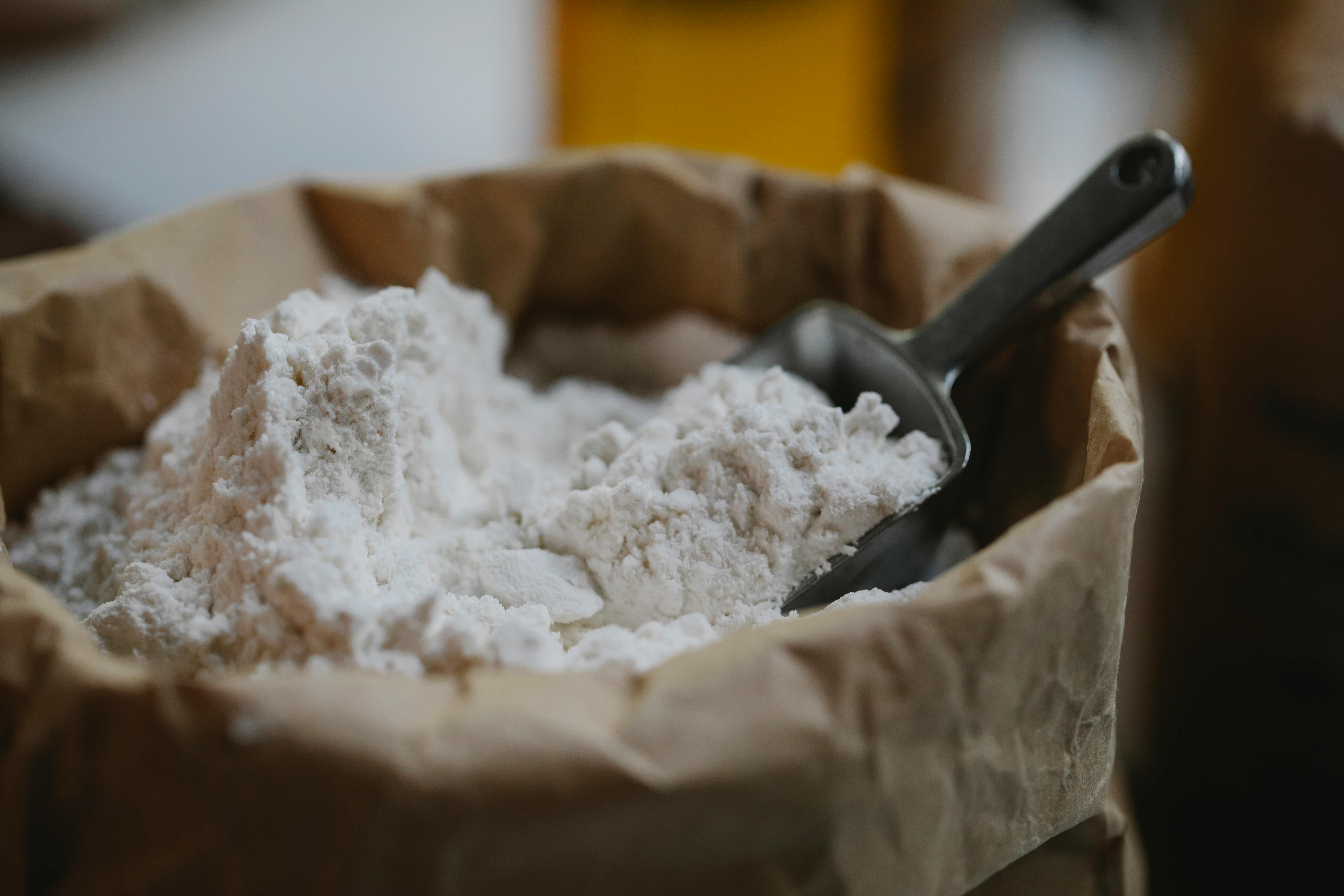
Flour and sugar are two of the most common food products packaged in woven bags. But packaging these products is not as simple as filling a bag and sealing it. Flour and sugar are sensitive to moisture, pests, and contamination, and they must meet strict food-grade standards. Choosing the right flour and sugar bags is essential for product safety, shelf life, and brand reputation.
This guide explains the key requirements for packaging flour and sugar in woven bags, including food-grade compliance, moisture protection, GSM selection, and printing options.
Why Flour and Sugar Need Specialized Packaging
Flour and sugar share some packaging challenges but also have important differences:
- Moisture sensitivity – Both flour and sugar absorb moisture. Flour can clump and mold, while sugar can harden into lumps. A reliable moisture barrier is essential.
- Pest risk – Flour and sugar attract insects and rodents. Packaging must provide a barrier against infestation.
- Food safety – Both products are consumed directly by humans, so packaging must be food-grade certified and free from harmful chemicals.
- Dust control – Flour is a fine powder that creates dust during filling. Bags must be designed to minimize dust and product loss.
- Printing requirements – Flour and sugar are often branded products sold at retail. Clear, high-quality printing is important for product identification and marketing.
Food-Grade Certification: The Non-Negotiable Requirement
For flour and sugar packaging, food-grade certification is not optional. The bags must be made from materials that are safe for direct contact with food and must not contain harmful chemicals that could migrate into the product.
When sourcing flour and sugar bags, ask your supplier for:
- FDA-compliant or EU food-contact certification
- Migration test reports
- Material safety data sheets
Weavota offers food-grade certified woven bags suitable for direct food contact, including flour and sugar packaging.
Key Specifications for Flour and Sugar Bags
1. GSM (Grams per Square Meter)
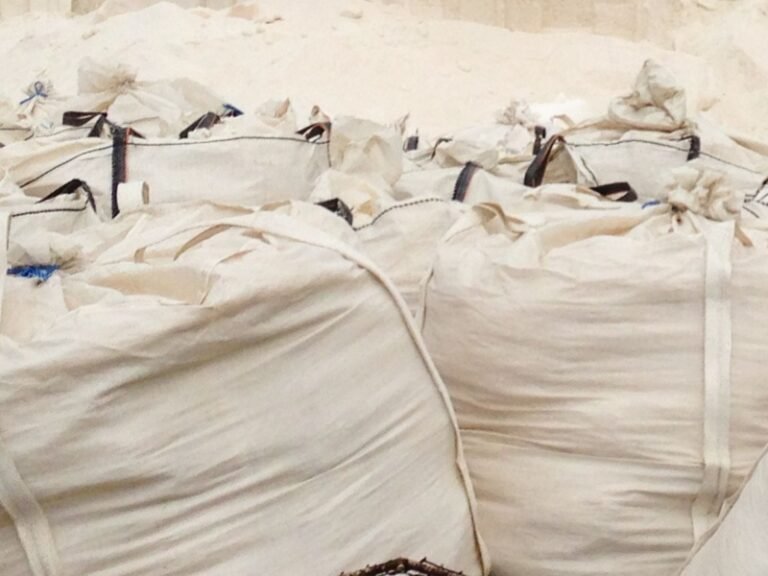
For flour and sugar packaging, the GSM depends on the bag size and load weight. Standard retail bags (1–5kg) typically use 70–80 GSM, while bulk bags (25–50kg) require 90–110 GSM or higher for strength and durability.
2. Lamination Type
For flour and sugar, lamination is critical for moisture protection:
- Single-side PE lamination – Provides a basic moisture barrier, suitable for short-term storage and retail bags
- Double-side PE lamination – Offers maximum moisture protection, ideal for bulk bags and humid environments
- BOPP lamination – Provides premium print quality and moisture protection, ideal for branded retail products
3. Weave Density
Higher weave density (10×10 or 12×12) provides better strength and reduces the risk of fine flour dust escaping through the fabric. For flour packaging, 10×10 or higher is recommended.
4. Printing Options
Flour and sugar are often branded products, so print quality matters. Flexographic printing up to 6 colors is suitable for standard bags, while BOPP lamination with 8-color gravure printing delivers premium, photo-quality branding for retail products.
5. Food-Grade Liner (Optional)
For premium flour and sugar products, an inner food-grade liner can provide an additional barrier against moisture and contamination. This is particularly important for products with long shelf lives or export markets.
Flour vs Sugar: Key Differences in Packaging
Flour Packaging Considerations
- Dust control – Flour is a fine powder that can escape through loosely woven fabric. Higher weave density and lamination help contain dust.
- Breathability vs barrier – Some flour products benefit from breathability, but most require moisture protection. Choose lamination based on shelf life and storage conditions.
- Bag strength – Flour is dense and heavy. Ensure adequate GSM for the load weight.
Sugar Packaging Considerations
- Moisture barrier is critical – Sugar absorbs moisture and hardens. Double-side PE lamination or BOPP lamination is strongly recommended.
- Pest protection – Sugar attracts ants and other insects. A sealed, laminated bag provides better protection.
- Caking prevention – Moisture causes sugar to cake. A reliable moisture barrier prevents caking and maintains product quality.
Common Mistakes to Avoid
- Choosing non-food-grade bags – Using non-certified bags for flour or sugar can lead to contamination and regulatory issues
- Ignoring moisture protection – Both flour and sugar are moisture-sensitive. Lamination is essential, especially for bulk bags and humid climates
- Choosing GSM too low – Underestimating load weight leads to bag failure during handling and transport
- Overlooking print quality – For retail flour and sugar, poor print quality damages brand perception and shelf appeal
- Not testing samples – Always test bags with your actual product under real filling and storage conditions before ordering in bulk
How Weavota Can Help
Weavota specializes in food-grade woven bags for flour, sugar, rice, and other food products. We offer:
- Food-grade certified bags (FDA, EU compliant)
- PE and BOPP lamination options for moisture protection
- Custom sizes and GSM for retail and bulk packaging
- High-quality flexographic and gravure printing
- In-house lab testing for migration and food safety
- ISO 9001 certified quality
- Factory-direct pricing with no middlemen
Need Woven Bags for Flour or Sugar?
Contact us to discuss your packaging requirements and get a free sample.
Request a quote for flour and sugar bags →
This guide is part of our Product Guides series. For more packaging insights, explore our other product guides.