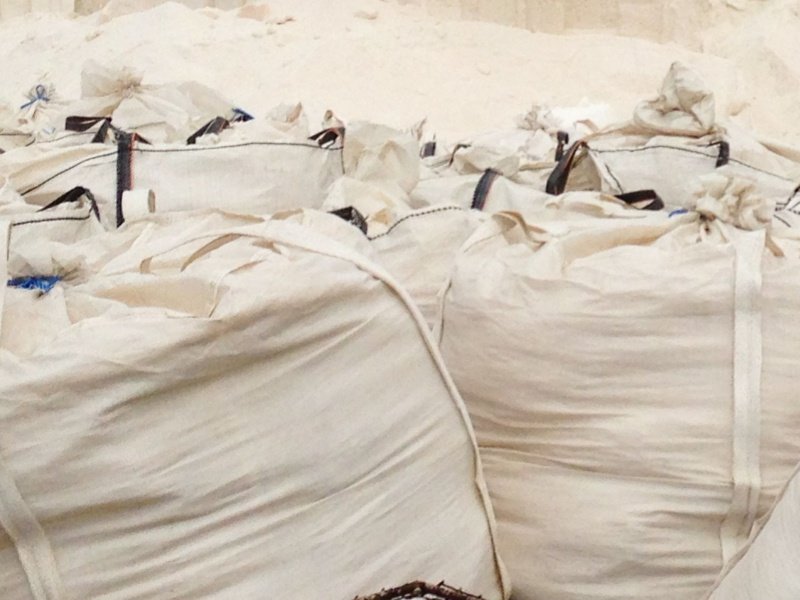
Choosing the Right Woven Bags for Mining and Mineral Packaging
Mining and mineral products are among the most demanding materials to package. Heavy loads, sharp edges, abrasive surfaces, and harsh storage conditions all put extreme stress on packaging. Choosing the wrong woven bags for mining applications can lead to product loss, safety hazards, and costly operational disruptions.
This guide explains how to select the right woven bags for mining and mineral packaging, covering key requirements, bag options, and specifications for different mineral types.
What Makes Mining Packaging Different?
Mining and mineral products have unique packaging requirements that standard woven bags often cannot meet. Unlike many other products, minerals are heavy, abrasive, and often have sharp edges that can damage ordinary bags.
Key requirements for mining packaging include:
- Extreme load capacity – Mining bags often carry 50kg or more. The bag must maintain integrity under very heavy loads and high stacking.
- Puncture and tear resistance – Sharp edges of rocks, ores, and minerals can easily puncture standard bags. Tear resistance is critical.
- Abrasion resistance – Minerals are abrasive and can wear through standard bags during filling and handling.
- Moisture protection – Many minerals degrade or cake when exposed to moisture. Proper barrier protection is essential.
- UV protection – Mining bags are often stored outdoors. UV degradation can cause bag failure and product loss.
- Dust control – Mineral dust is a health and safety hazard. Packaging must minimize dust during filling, transport, and handling.
Woven Bag Options for Mining and Minerals
Extra Heavy-Duty PP Woven Sacks
These are the most common bags for mining applications. They are made from high-GSM PP fabric with high weave density to handle heavy loads and rough handling.
Best for: Ores, mineral concentrates, sand, gravel, and other bulk materials.
PE-Laminated Heavy-Duty Sacks
PE-laminated bags provide an additional moisture barrier, making them ideal for minerals that are sensitive to moisture or for outdoor storage.
Best for: Mineral powders, salt, and moisture-sensitive ores.
FIBC Bags (Jumbo Bags)
For very large volumes (500kg+), FIBC bags (Flexible Intermediate Bulk Containers) are the preferred choice. They are designed for bulk handling of heavy materials.
Best for: Bulk ore, aggregates, and large-volume mineral shipments.
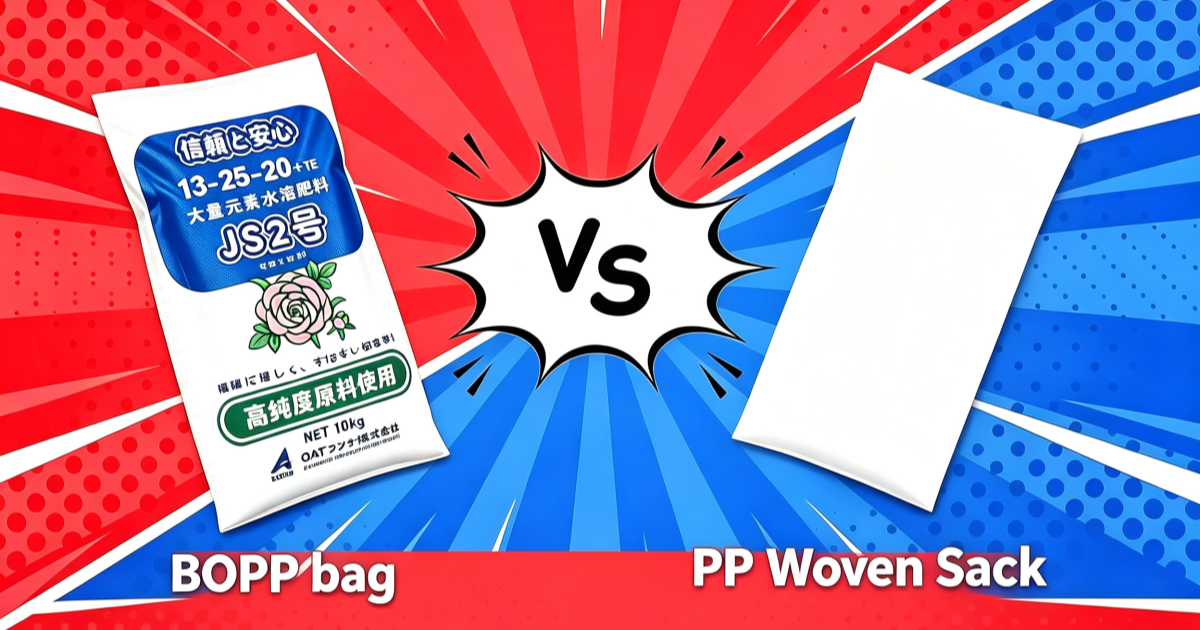
BOPP Laminated Bags
For minerals sold in retail or consumer-facing applications, BOPP bags provide premium print quality for branding while still offering excellent strength and moisture protection.
Best for: Consumer-packaged minerals, specialty products, and retail applications.
Key Specifications for Mining Bags
1. GSM (Grams per Square Meter)
For mining and mineral packaging, higher GSM is required than for most other applications. For standard mineral bags (40–50kg), 110–130 GSM is recommended. For heavier loads (50kg+), 130–150 GSM provides the necessary strength and durability.
2. Weave Density
For mining applications, higher weave density is essential. 12×12 weave density provides maximum tear resistance and surface strength, making it the best choice for sharp or abrasive materials.
3. Lamination
Choose unlaminated for dry, non-sensitive minerals stored indoors; single-side PE lamination for moderate moisture protection; double-side PE lamination for maximum moisture barrier, ideal for outdoor storage; or BOPP lamination for premium branding.
4. UV Protection
Mining bags are frequently stored outdoors for extended periods. UV protection is not optional—it is essential. For outdoor storage of 6+ months, 5% UV masterbatch is recommended.
5. FIBC Options
For bulk mineral packaging, FIBC bags are the preferred choice. Key considerations include lifting loops (single, double, or four-loop), discharge options (flat bottom or spout), and filling options (duffle top, spout top, or open top).
How to Choose the Right Bag for Your Mineral Product
Selecting the right woven bag for mining and mineral packaging requires careful consideration of your specific product and conditions. Here is a step-by-step approach:
- Know your product – Understand the weight, texture (sharp, smooth, abrasive), and moisture sensitivity of your mineral product
- Consider storage conditions – Will bags be stored indoors or outdoors? For how long?
- Evaluate handling methods – Are bags handled manually or with equipment? Are they stacked high?
- Check transport requirements – Consider the distance, mode of transport, and handling during shipping
- Determine packaging type – Choose between individual bags (25–50kg) and FIBC bulk bags (500kg+)
Common Mistakes to Avoid
- Choosing GSM too low – Underestimating the load weight leads to bag failure, product loss, and safety hazards
- Ignoring UV protection – Outdoor storage without UV protection causes rapid bag degradation
- Overlooking abrasion resistance – Sharp or abrasive minerals can wear through standard bags quickly
- Choosing the wrong bag type – Using small bags for bulk quantities is inefficient and costly
- Not testing samples – Always test bags with your actual mineral product and under real handling conditions before ordering in bulk
How Weavota Can Help
Weavota has extensive experience in mining and mineral packaging. We offer:
- Extra heavy-duty woven sacks for mining applications (110–150 GSM)
- Custom sizes, GSM, and weave density for your specific mineral products
- PE lamination options for moisture protection
- UV protection for outdoor storage
- FIBC bags for bulk packaging
- ISO 9001 certified quality
- Factory-direct pricing with no middlemen
Need Woven Bags for Mining and Minerals?
Contact us to discuss your mineral packaging requirements and get a free sample.
Request a quote for mining packaging bags →
This guide is part of our Application Solutions series. For more industry-specific packaging advice, explore our other application guides.